Monastery History
Zeway Hamere Birhan Saint Gabriel Monastery
Spiritual College of Management
Preserving the heritage of the Ethiopian Orthodox Tewahedo Church through prayer, education, spiritual formation, and sustainable development.
Introduction and Location
Zeway Hamere Birhan Saint Gabriel Monastery and Spiritual College of Management is an institution of historical and spiritual significance within the Ethiopian Orthodox Tewahedo Church.
The monastery is located on the eastern side of Zeway (Batu) town, approximately three kilometers from the town center and about 163 kilometers from Addis Ababa along the Mojo–Hawassa highway, on the shore of Lake Zeway.
It brings together monastic life, traditional Ethiopian Orthodox education, priestly formation, higher spiritual education, and child care. Through these ministries, it seeks to serve the Church and the wider community while preserving Ethiopia's spiritual and cultural heritage.
Establishment of the Priest Training Institution
The monastery's priest-training institution was established in 1959 E.C. through the initiative of His Holiness Abune Theophilos, the second Patriarch of the Ethiopian Orthodox Tewahedo Church, with support from the World Council of Churches.
Its principal purpose was to train priests and prepare them for service in the Church.
His Grace Abune Lukas, Archbishop of the Arsi Diocese and representative of the Holy Synod, and the British priest Robert Ayadels, representing the World Council of Churches, followed the construction project.
After approximately one year of construction, the institution was blessed and inaugurated on Yekatit 2, 1960 E.C., by His Holiness Abune Theophilos. Bishops, representatives of the Greek and Catholic Churches, and senior government officials attended the ceremony.
Historical Timeline
Key periods in the history of the monastery and its spiritual educational mission.
Establishment and Inauguration
The priest-training institution was established through the initiative of Abune Theophilos and inaugurated after the construction work was completed.
Early Educational Achievements
The institution trained clergy from different parts of Ethiopia and graduated approximately 150 students at diploma level.
A Period of Closure
Following political changes, the training institution closed for approximately six years. Its students dispersed, and its facilities faced a period of uncertainty.
Protection of the Monastery
During this difficult period, the monastery's guards worked to protect its property and possessions from loss and destruction.
The Mission of Abune Gregorios II
Abune Gregorios II came to Zeway with a commitment to restoring the institution's spiritual and educational mission.
Renewed Spiritual and Educational Service
His ministry emphasized spiritual education, care for children, writing, and the preparation of Church servants.
Continued Leadership
Following the passing of Abune Gregorios II, Abune Kawustos, Abune Gabriel, and Abune Qerlos led the monastery during the subsequent period described in its historical account.
Further Institutional Development
The monastery continued its spiritual and developmental activities under the leadership associated with Abune Gregorios, with a focus on education, service, and institutional growth.
The Early Years of Training
Between 1960 and 1966 E.C., the priest-training institution educated clergy from different parts of Ethiopia and graduated approximately 150 students at diploma level.
Historical accounts also indicate that students associated with Sewasew Berhan Saint Paul Spiritual College received training at Zeway.
These early activities helped prepare clergy for pastoral ministry, strengthen theological education, and support the continued service of the Ethiopian Orthodox Tewahedo Church.
Closure and Preservation of the Monastery
Following the political changes of 1966 E.C., the priest-training institution closed for approximately six years. The priests who had been studying there dispersed, and the student residences remained largely unoccupied.
In 1969 E.C., the Derg government temporarily used the premises to train two groups of people's militia.
Faithful Guardians of the Institution
The monastery's history honors Ato Terefe, Ato Eshete Mulat, Ato Tsegaye, and Ato Morke Wakjira for faithfully protecting its property and possessions during this difficult period.
His Grace Abune Samuel, who served the Lakes, Butajira, and Kembata areas, followed their work and encouraged them to protect the monastery with wisdom and patience.
Their dedication helped preserve the institution's heritage during a period of uncertainty.
The Apostolic Ministry of Abune Gregorios II
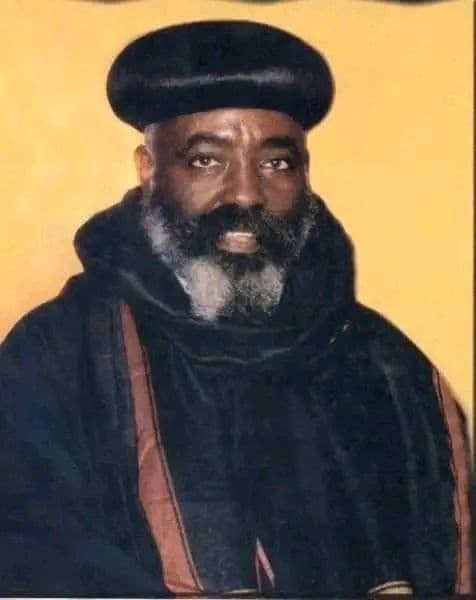
A significant chapter in the monastery's history is associated with the apostolic ministry and dedication of His Grace Abune Gregorios II.
In 1970 E.C., approximately ninety hermits were sent to the monastery in an effort to restore its activities. However, the intended renewal did not fully materialize.
In 1971 E.C., Abune Gregorios II came to Zeway with a commitment to reopening the priest-training institution, restoring its interrupted educational work, and continuing the vision originally established under His Holiness Abune Theophilos.
“While studying abroad, I used to say that when I returned to my country, I would gather the children of my homeland in a desert region such as Metekel and teach them the teachings, culture, and traditions of the Church. By God's will, I came to Zeway.”
After receiving episcopal consecration on Tir 13, 1971 E.C., His Grace devoted himself to making the monastery a center of Gospel teaching, spiritual learning, and the preparation of Church servants.
He wrote books, gathered and cared for many children, and strengthened spiritual education. Despite numerous challenges, he continued his work with determination, guided by the principle, “Keep working quietly and faithfully.”
His ministry contributed to the formation of bishops, monks, Gospel teachers, and other Church servants.
His Grace Abune Gregorios II passed away unexpectedly on Hamle 22, 1982 E.C. Following his passing, Abune Kawustos, Abune Gabriel, and Abune Qerlos led the monastery from 1982 to 1987 E.C.
Continued Service and Institutional Renewal
Beginning in 1973 E.C., Abba Tetemke served the monastery in several capacities, including as a Qese Gebez, administrator, and abbot.
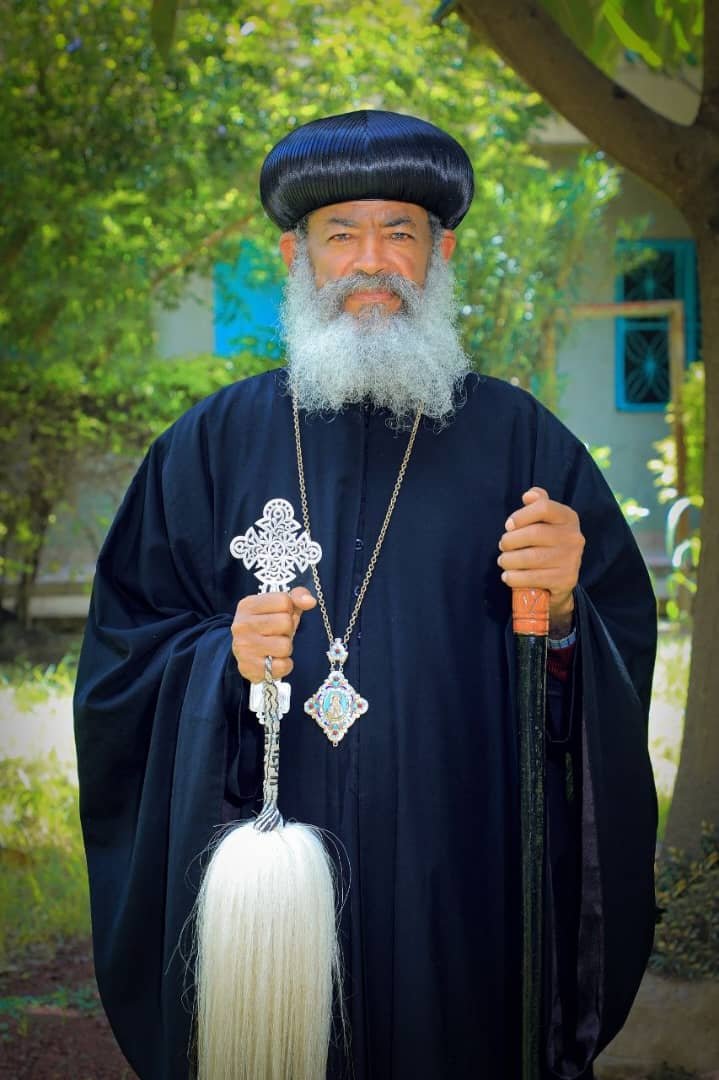
On Hidar 4, 1987 E.C., through the laying on of hands by His Holiness Abune Paulos, he received the episcopal title Abune Gregorios and became the monastery's senior guardian, according to the historical account provided.
Under his leadership, the monastery continued to strengthen its spiritual and developmental activities. Its ministries include monastic life, priestly formation, traditional church education, a spiritual college, and child care.
As Archbishop of the East Shewa Diocese, Abune Gregorios was known for his dedication to safeguarding the monastery and supporting its development.
Spiritual and Educational Contributions
The monastery is remembered as an institution from which more than sixteen bishops are said to have emerged. It has also contributed to the formation of teachers, monks, evangelists, priests, and deacons.
Its contribution extends beyond formal education and clerical training. It also seeks to preserve and transmit the liturgical traditions, religious teachings, cultural heritage, traditional learning, and monastic discipline of the Ethiopian Orthodox Tewahedo Church to future generations.
The monastery's historical significance lies in the relationship between prayer, scholarship, spiritual discipline, pastoral formation, and service to the community.
The Five Major Ministries
Five complementary ministries support the monastery's spiritual, educational, and community mission.
Monastic Life
A spiritual environment devoted to prayer, discipline, devotion, and the traditional monastic way of life.
Spiritual College of Management
Advanced spiritual education and leadership development for service within the Church.
Child Care and Upbringing
Care, education, spiritual guidance, and personal development for children.
Priest Training
Formation in Orthodox doctrine, liturgical practice, spiritual discipline, and pastoral service.
Traditional Church Education
Preservation and teaching of traditional Ethiopian Orthodox religious learning and scholarship.
Future Plans and Institutional Vision
With God's help, the monastery seeks to strengthen its educational, cultural, spiritual, and economic capacity.
- Developing the College toward University Status Expand spiritual education and theological studies, with the long-term goal of university-level development, subject to ecclesiastical and regulatory requirements.
- Becoming a Center for Traditional Orthodox Education Strengthen traditional church education, preserve its teaching methods, and transmit this heritage to future generations.
- Establishing a Center for the Four Traditional Schools Develop a center dedicated to the study, preservation, and teaching of the four traditional schools of Ethiopian Orthodox learning.
- Expanding Research and Religious Arts Study and preserve Ge'ez manuscripts, religious paintings, historical materials, and traditional church art.
- Transitioning toward Self-Reliant Development Establish sustainable income-generating activities to strengthen financial independence and support the monastery's ministries.
G+3 Building Development Project
An important part of the monastery's development strategy is the establishment of sustainable, income-generating activities that can support its religious and educational mission while benefiting the surrounding community.
Construction of a G+3 building with two wings has commenced. The project is intended to generate income for the monastery and provide useful services to the local community.
The foundation stone was laid by His Grace Abune Gregorios.
The development is intended to strengthen the monastery's financial capacity, support educational and spiritual services, and create opportunities for community-oriented development.
A Living Heritage of Faith and Service
Zeway Hamere Birhan Saint Gabriel Monastery and Spiritual College of Management stands as a center of history, prayer, education, spiritual formation, and service.
Since its establishment, the institution has served the Ethiopian Orthodox Tewahedo Church through the dedication of its spiritual fathers, teachers, monks, clergy, and faithful servants. Its history reflects both the challenges faced by religious institutions and the determination of those who preserved its heritage through difficult periods.
By strengthening traditional education, expanding theological studies, caring for children, preserving religious and cultural treasures, and developing sustainable sources of income, the monastery seeks to serve both the Church and the wider community.
The responsibility of preserving this heritage belongs to the present generation and those who will follow. Through faith, dedication, education, and responsible development, the monastery seeks to transmit its spiritual legacy to future generations.